Highlights:
– The Dallas Cowboys, currently struggling with a 3-4-1 record, are looking for defensive reinforcements after trading star linebacker Micah Parsons.
– Their impressive offense leads the league in total yards, but the defense ranks near the bottom, necessitating trades ahead of the deadline.
– Eight potential targets for the Cowboys’ trade pursuit have emerged, focusing solely on defensive players to address the significant gaps in performance.
Setting the Stage for Change
The Dallas Cowboys’ decision to part ways with Micah Parsons prior to the start of the 2025 NFL season stirred a wave of shock within the fanbase and the league. As one of the most dynamic defenders in modern football, Parsons’ trade to the Green Bay Packers raised questions about the Cowboys’ approach, especially given their ambitions for a playoff berth. Dallas management asserted that this move was merely a part of a re-tooling strategy meant to re-establish the team’s competitiveness in the NFC. However, the reality on the field painted a different picture.
As the Cowboys navigate through the first half of the season with a subpar 3-4-1 record, their performance has revealed a glaring discrepancy between their offense and defense. While the Cowboys’ offense shines, led by the MVP-caliber play of Dak Prescott and new talents like George Pickens and Javonte Williams, the defense has faltered remarkably. Currently ranked second in total offense but second worst in total defense, the Cowboys face mounting pressure to address their defensive inadequacies, especially as the trade deadline looms.
Exploring Potential Trade Targets
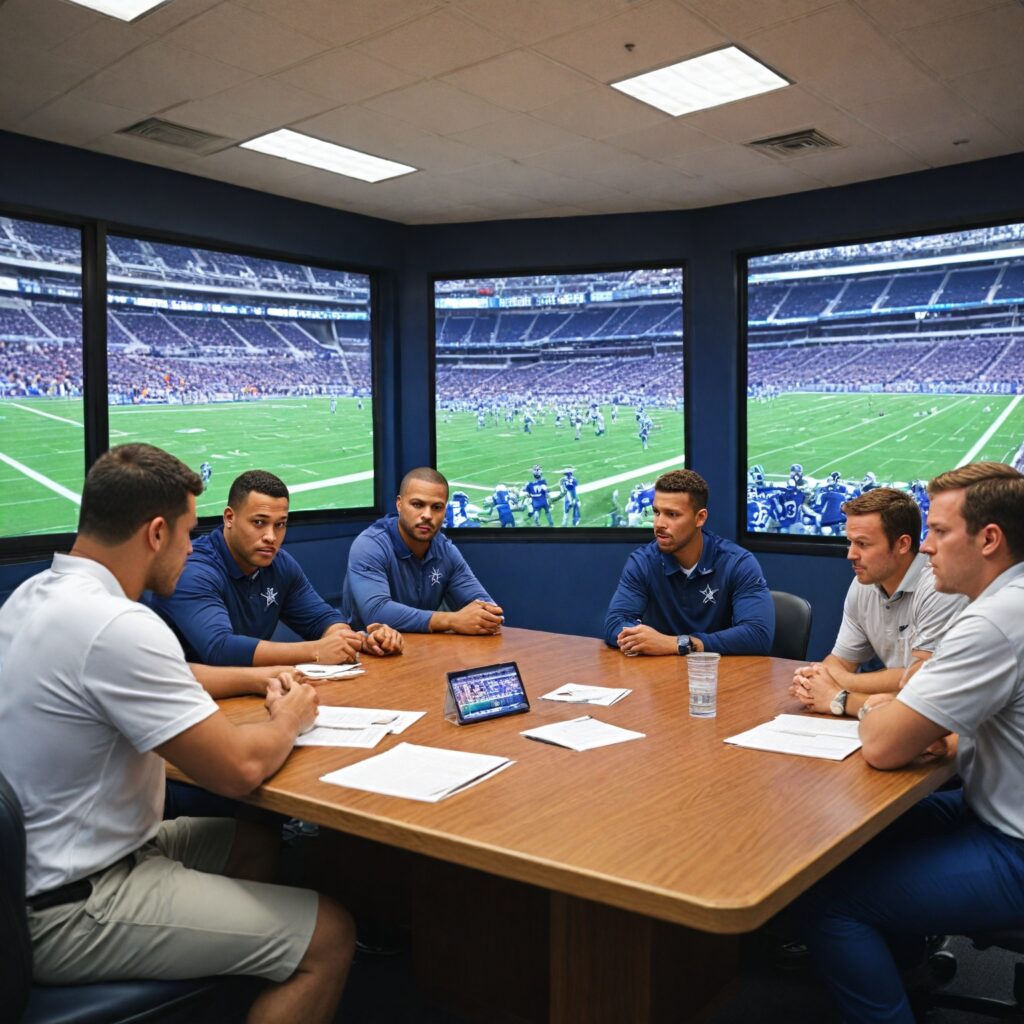
With defensive issues taking center stage, the Cowboys’ management is considering bolstering their roster through strategic trade acquisitions. As they approach the deadline, the focus is heavily on defenders, as the offense requires little adjustment. Key targets include linebackers and secondary players who could plug the holes that have emerged post-Parsons.
Among the leading candidates, Cleveland Browns linebacker Devin Bush presents a compelling option. At only 27, Bush, who has accumulated over 400 career tackles, could bring veteran experience to a linebacker corps that has seen young and relatively inexperienced players take center stage. Meanwhile, Miami Dolphins safety Minkah Fitzpatrick, known for his versatility, could also fit the bill despite being a pricier addition. For the secondary, cornerback Alontae Taylor of the New Orleans Saints could provide needed depth, particularly as the Cowboys manage injuries within their starting roster. With multiple players available, each could contribute to addressing the inefficiencies that have plagued the defense during the first half of the season.
Implications and Next Steps
With the trade deadline approaching, the implications of the Cowboys’ decisions could resonate throughout the remainder of the season. Acquiring a few well-chosen players could bolster their defense, making them a serious contender in the NFC. The likelihood of landing a player like Bengals linebacker Logan Wilson, who has publicly requested a trade due to a diminished role, highlights the potential for strategic movement in acquiring talent that could immediately impact performance.
The urgency surrounding Dallas’ situation is palpable. With each game presenting an opportunity to either affirm their playoff aspirations or solidify their struggles, making calculated moves at the deadline could define their path moving forward. Whether it’s securing a high-caliber star like Maxx Crosby from the Raiders or exploring cost-effective options among lesser-known talents, the Cowboys are at a crucial juncture where the next steps could dictate their competitive fate.
In conclusion, as the Dallas Cowboys assess their current roster and explore potential trades, their decisions could significantly impact the outcome of the season. Will they take bold steps to improve their defense before the deadline? Which players do you think would best fill the gaps in their defensive lineup? How could the trades affect the team’s long-term strategy and stability?
Editorial content by Sawyer Brooks