Highlights:
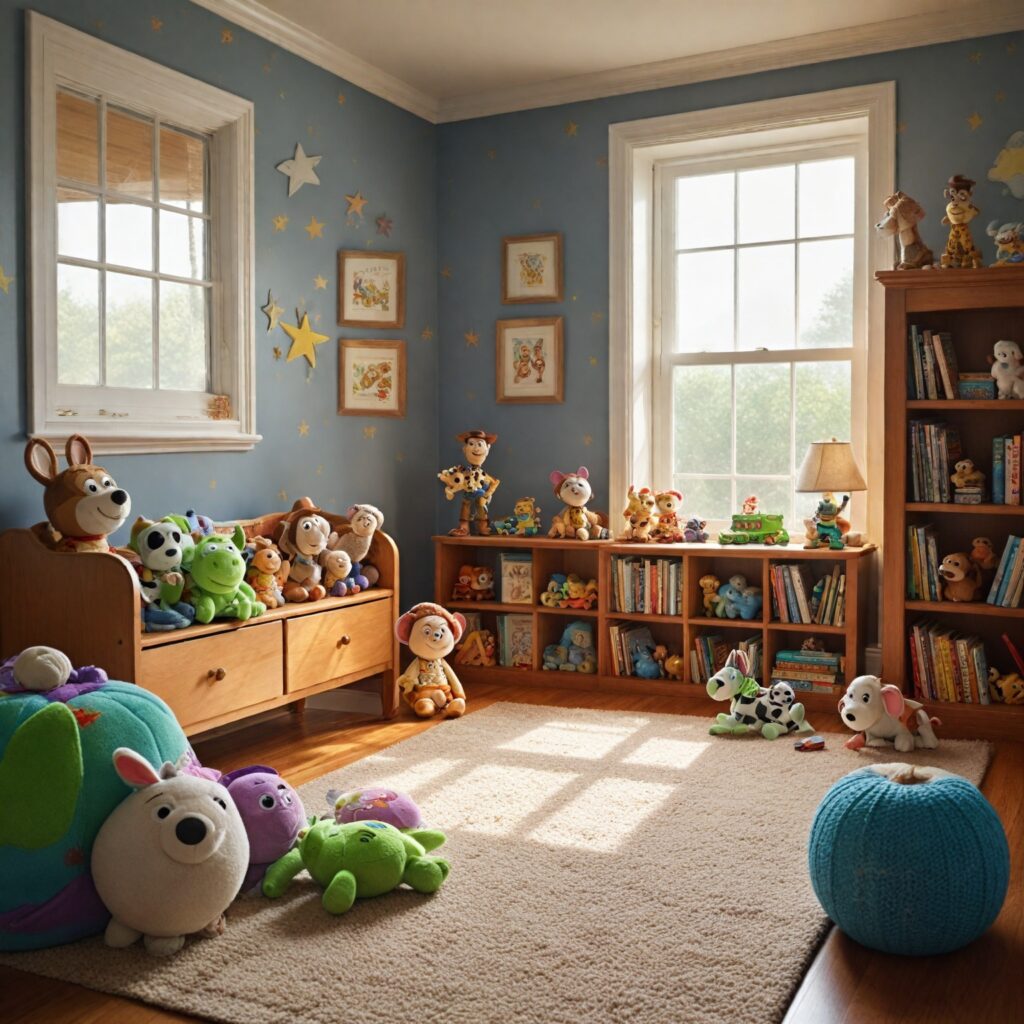
– Initially planned as a direct-to-DVD release, “Toy Story 2” ended up exceeding expectations and receiving critical acclaim.
– A near-catastrophic data loss during production resulted in a frantic salvage operation, with a significant portion of the film nearly erased.
– Intense production conditions led to widespread injuries among animators, highlighting the challenges of high-stakes animation projects.
Introduction to a Beloved Sequel
When Pixar Animation Studios embarked on creating “Toy Story 2,” expectations were modest. Initially conceived as a direct-to-DVD sequel, the film was born during a pivotal time for Pixar, with many of its animators absorbed in the production of “A Bug’s Life.” The sequel’s humble beginnings belied its eventual success, as it not only captured the hearts of audiences but also secured a remarkable 100 percent rating on Rotten Tomatoes. This transition from a straightforward sequel to a cinematic powerhouse is a testament to Pixar’s innovative storytelling and animation prowess.
The significance of “Toy Story 2” lies in its ability to elevate the sequel concept beyond mere commercial intent. This film solidified Pixar as a leading force in animation, setting a high bar for storytelling in sequels. It serves as a case study of how creative risks and evolving production methods can resonate with audiences while pushing the boundaries of animated filmmaking.
The Turbulent Production Journey
The journey of crafting “Toy Story 2” was anything but smooth. A catastrophic event occurred during production when a staff member inadvertently pressed a button that wiped out almost all of the film’s files. Thankfully, a vigilant employee caught the mistake before it was too late, but by then, approximately 90 percent of the work had vanished, and there were no backup files available. In a stroke of luck, Galyn Susman, the supervising technical director, had backups at her home, as her recent maternity leave allowed her to work remotely. Her foresight not only salvaged the project but also injected a sense of relief into a frantic situation.
Despite this incredible save, the intense demands of the production took a toll on the animators. The rapid turnaround required for the film’s overhaul led to a significant incidence of repetitive strain injuries among the staff. Ed Catmull, the president of Pixar, revealed that about a third of the team experienced some form of these stress-related issues. This sobering reality brought to light the physical sacrifices artists make to create beloved cinematic works.
Implications and Industry Reflections
The trials faced during “Toy Story 2” underscore the need for better support systems and working conditions within the animation industry. As animators embody a blend of artistry and technology, the physical demands of their work should not overshadow their well-being. The industry must reflect on these challenges and promote healthier work practices to prevent similar situations in the future. Furthermore, the success of “Toy Story 2” demonstrates that safeguarding creative talent is as important as nurturing innovative storytelling.
The inspirational tale of “Toy Story 2” also poses questions about the future of sequels in animation. As studios seek to capitalize on successful franchises, will they learn from Pixar’s experience to ensure both the integrity of their stories and the well-being of their creators? Balancing commercial interests with artistic expression is paramount in shaping the next chapters of animated storytelling.
In conclusion, “Toy Story 2” is not just a delightful film but a story of resilience, creativity, and the complexities of the animation process. As we reflect on this cinematic milestone, we might ask ourselves: How can the animation industry better support its creators? What lessons from “Toy Story 2” can be applied to future projects to enhance both the production process and the final product? And ultimately, how do we ensure that creativity continues to thrive amidst the pressures of commercial success?
Editorial content by Reagan Chase