Highlights:
- Spain faces escalating wildfires near Madrid, prompting national emergency declarations.
- Over 10,000 people have been evacuated as the government deploys resources to combat the fires.
- Climate change contributes significantly to the increased risk of wildfires in Europe, particularly in southern regions.
Fires Rage in Spain: A Growing Crisis
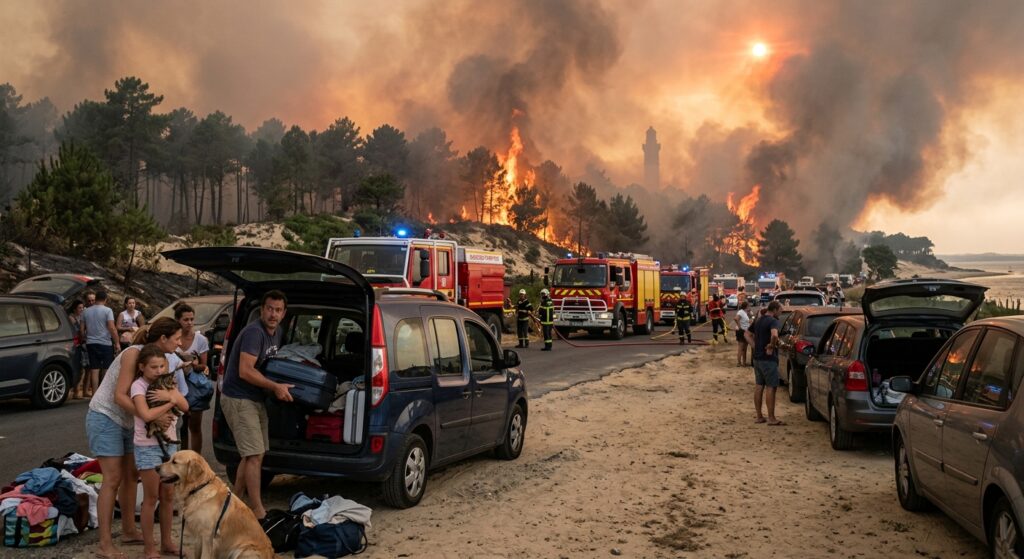
Spain is currently grappling with a severe wildfire crisis, particularly in regions near Madrid. Firefighters are working tirelessly to extinguish flames in Villa del Prado and San Martín de Valdeiglesias, with an additional focus on the Burgohondo area in Ávila. The situation has escalated to such a degree that Interior Minister Fernando Grande-Marlaska has declared a national emergency, highlighting the government’s attempt to address what has become a significant threat to communities and ecosystems alike.
Prime Minister Pedro Sánchez has voiced concerns about the devastating impact of these wildfires, stating that they are “ravaging thousands of hectares.” As the fires threaten not only land but also the livelihoods of locals, the government assures residents that all available resources are being deployed to assist in both immediate firefighting efforts and subsequent recovery actions.
Understanding the Driving Forces of the Wildfires
At the heart of this wildfire crisis is the alarming acceleration of climate change. Europe is experiencing temperature rises that exceed the global average, with the EU’s Copernicus Climate Change Service noting that since the 1980s, the continent has warmed more than twice as fast. As a result, Spain’s summers have become considerably hotter and drier, creating ideal conditions for wildfires to ignite. Vegetation, deprived of moisture, becomes the perfect fuel for fires, catalyzed by sparks from both human activity and natural sources like lightning.
The fire activity is further compounded by factors such as extreme heat, desiccated vegetation, and ferocious winds, which can transform a manageable blaze into an uncontrollable inferno. The European Environment Agency has underscored that climate change has elevated forest fire risks across Europe, with the southern regions facing the greatest challenges. Moreover, mismanagement of landscapes, such as the accumulation of dry vegetation and abandonment of land, adds complexity to the already precarious situation.
Implications of the Wildfires: A Call for Action
The implications of these wildfires extend beyond immediate threats to safety and property; they signal a pressing need for comprehensive climate adaptation strategies. As the frequency and intensity of wildfires increase, governments and communities must implement more effective forest management practices and invest in sustainable land-use strategies. Addressing climate change is paramount, and collaboration across sectors is essential to mitigate the factors contributing to these catastrophic events.
Solutions may also involve increased public awareness and preparedness initiatives. Communities at risk must develop robust emergency response systems and engage in proactive measures to minimize potential fire hazards. With the current dire situation serving as a stark reminder, now is the time for collective action to ward off future fire crises and protect vulnerable ecosystems.
Conclusion
As Spain continues to battle rampant wildfires, it becomes increasingly clear that climate change is a driving force behind these disasters. The national emergency declaration reflects not only the urgency of the current crisis but also the necessity for long-term strategies to combat the looming threats of environmental change. Moving forward, how can communities strengthen their resilience against such disasters? What proactive measures should be prioritized to protect both the environment and residents in fire-prone areas? In what ways can collective action facilitate meaningful change as we face a rapidly warming world?
Editorial content by Reagan Chase