Highlights:
– Vauxhall’s Luton plant closes after 120 years of operation.
– UK car industry faces challenges amidst factory closures and declining production.
– The impact of Brexit and the transition to electric vehicles on the industry.
End of an Era at Vauxhall’s Luton Plant
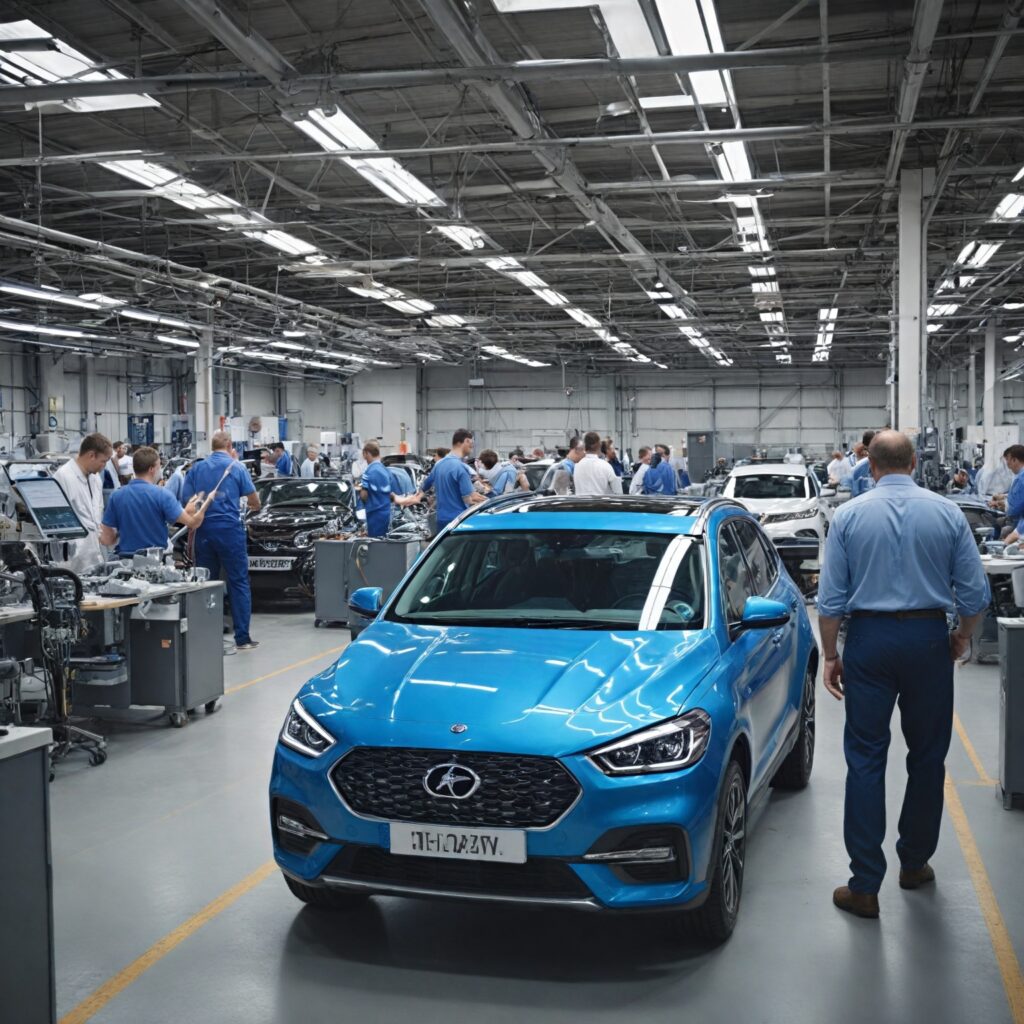
The closure of Vauxhall’s historic Luton plant marks the end of a 120-year legacy in car manufacturing. The van plant shutting down due to cutbacks at the parent company, Stellantis, reflects a broader trend in the UK motor industry. With recent closures like Honda’s and Ford’s facilities, concerns about the industry’s long-term decline have surfaced.
Challenges and Transitions in the UK Car Industry
The UK’s car production hit a low, with just 417,000 vehicles built in the first half of 2025. Factors like Brexit and the shift to electric vehicles have added complexity. Despite some recent investments showing potential, the industry faces structural challenges like high labor and energy costs. Experts suggest the need for significant government intervention to attract new investments and sustain the sector.
Looking Ahead: Implications and Opportunities
As the UK car industry grapples with its future, questions arise about diversification, Chinese investments, and potential strategies. While challenges persist in remaining competitive, opportunities in high-end car production and collaboration with foreign investors provide avenues for growth. The industry’s fate lies in navigating these shifts and leveraging its expertise to carve a sustainable path forward.
In conclusion, the closure of Vauxhall’s plant underscores the challenges facing the UK car industry, highlighting the need for strategic planning and investments to secure its future. How can the industry balance tradition with innovation in the face of rapid changes? What role can government policies play in revitalizing the sector and retaining its global competitiveness? Will partnerships with international players provide a lifeline for the UK car industry, or is a renaissance still within reach?
Editorial content by Peyton Hawthorne